

 Back
Back
Based in Bengaluru, India, Puspak Roy describes his career in one sentence: He has spent his life becoming comfortable with the unfamiliar. From serving in the Indian Navy to leading Electrification, Automation and Digitalization (EAD) sales at Siemens Energy India Limited, every chapter has been driven by a willingness to step outside his comfort zone, embrace change, and keep learning.
Puspak served for a decade as an officer in the Indian Navy, where he learned that leadership is about service and people, not rank. Leaving naval services after ten years was his first major leap into the unknown. From there, he moved deliberately through supply chain, maintenance, operations, sales, and general management, working across chemicals, defense, marine, and renewable energy. Every transition meant entering unfamiliar territory, learning quickly, and building confidence from the ground up.
Puspak is candid about the part of his journey people rarely see. Every major move meant becoming a beginner again: New industries, new technologies, new cultures, new teams, and the work of earning trust all over again. He is quick to point out that the hardest part was never the technology itself.
“The hardest part isn’t learning new technologies,” he says. “It’s having the ability to admit you don’t know something, and the courage to keep learning until you do.”
Joining Siemens Energy gave that accumulated experience a scale that was yet another foreign territory. Bringing together his operational expertise and commercial experience, he now contributes to some of the most important energy transition projects.
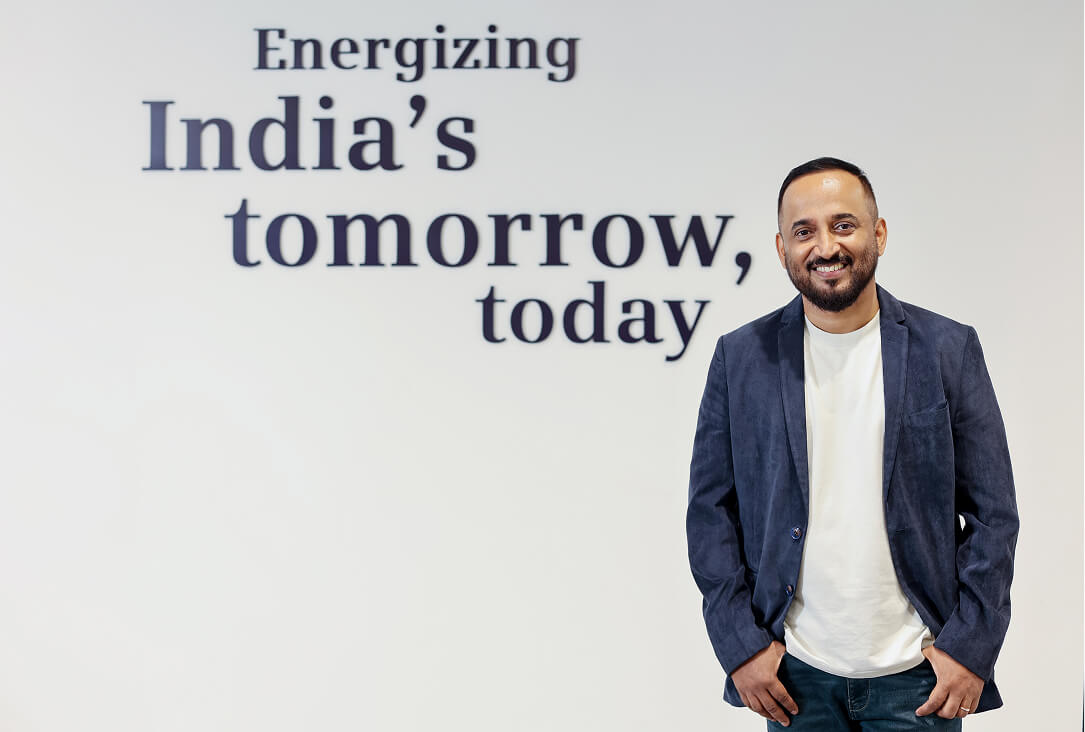
At Siemens Energy India Limited, Puspak leads EAD sales and business development for the India region, spanning multiple countries. He spends time with customers, understanding their challenges, and discussing how electrification, automation, and digitalization can make their operations more competitive and sustainable. A lot of his time is dedicated to closely collaborating and working with local and global specialists in functions such as engineering, manufacturing, finance, proposal, project execution, and services to turn customer needs into solutions that are technically sound and commercially workable.
From sustainable marine transportation and industrial decarbonization to next-generation infrastructure and data centers, Puspak’s work with customers connects directly to what ‘Energizing Society’ means in practice: Cleaner industries, stronger economies, and a more sustainable future.
Puspak is candid about what makes reinvention possible. It is not only personal determination but also the organization's structure itself, where a person with a background in operations and general management can move into sales and business development without having to start all over again outside the system. The same cross-functional network that lets him connect customers to engineering, factories, and global specialists is what lets him build an entirely new career.
That collaborative culture allows every role to contribute to a larger purpose: Supporting the energy transition through electrification, automation, digitalization, and industrial decarbonization.
For Puspak, curiosity does not switch off outside working hours. He is drawn to travel, scuba diving, skiing, and new cultures – this range mirrors the same appetite for reinvention that has advanced his career. He wants to teach, having seen firsthand how much it can change a life when someone invests time in another person.
His advice for anyone standing at a similar crossroads is straightforward: Do not compare your journey with anyone else's. "Everyone is living in their own time zone," he says. "Some people reach milestones early, some discover their calling later, and neither is ahead or behind." His closing advice is simple: Trust your values, stay curious, work hard, and never let comfort become your destination.
From the deck of a naval ship to a desk in Bengaluru, Puspak's mission has never really changed; only its uniform has. He once safeguarded the nation. Today he helps industries and society navigate the energy transition toward a more sustainable future.
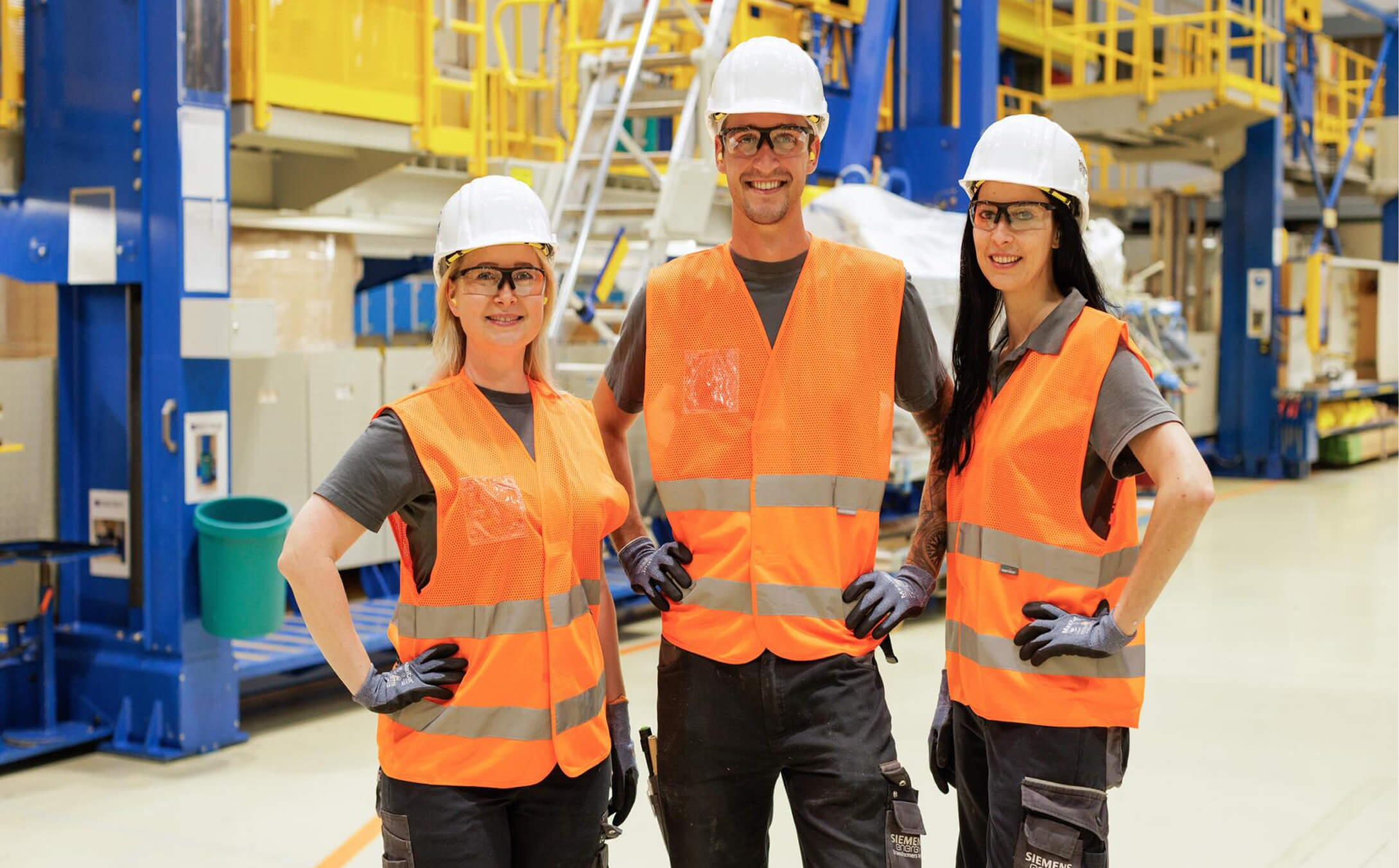
Join us in our mission to create a sustainable, reliable, and affordable energy future. Whether you are an engineer, a technician, or a business professional, Siemens Energy India Limited has opportunities for you.
Explore opportunities to join the team!
 August 18, 2026
 4 min read
 August 20, 2026